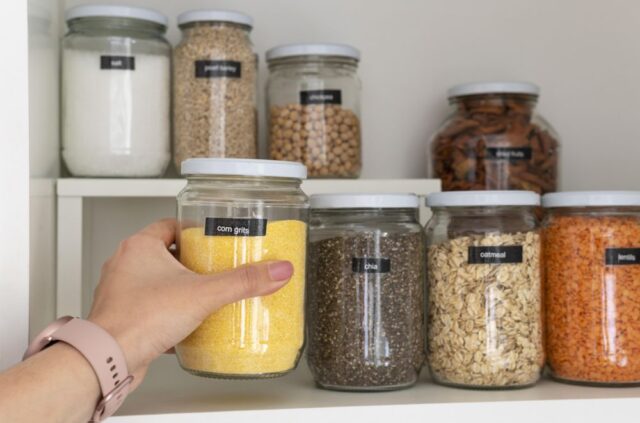
Plastic jars sit in that useful middle ground between a bag and a box: rigid enough to protect what is inside, transparent enough to show it off, and shaped in a way that stacks and displays well on a shelf. Walk through a bakery during the Lunar New Year season and the jars lining the counter, filled with pineapple tarts or love letters, are doing double duty as both packaging and presentation. Away from festive counters, the same basic design turns up in pantries, retail shelves, and small business storerooms for reasons that have little to do with looks and everything to do with practicality.
More Than Just a Kitchen Shelf Item
People tend to think of jars as something that belongs in a home pantry, holding sugar or coffee within easy reach. That is a fair starting point, but it undersells how far the format stretches once businesses start using it for retail and gifting purposes. A jar’s defining strength is the combination of a wide opening for easy filling and scooping, a secure lid for freshness, and a shape that looks intentional rather than purely functional. That combination is why the format shows up everywhere from home kitchens to shop counters without needing much adaptation between the two.
Everyday Food Storage at Home
At home, jars solve a problem that flexible packaging cannot: keeping dry goods fresh and free from moisture or pests once the original packet has been opened. Rice, flour, snacks, and baking ingredients all last noticeably longer in a well-sealed jar than left in a torn bag clipped shut with a peg. Clear jars also make meal planning easier, since a quick glance tells someone how much of an ingredient is left without opening every container in the cupboard. Stacking multiple jars of similar size on a shelf keeps a kitchen looking organised rather than cluttered, which matters in the compact kitchens common across Singapore homes.
Festive Gifting and the Cookie Jar Tradition
Come the festive season, jars step firmly into a retail and gifting role. Cookie and snack jars filled with pineapple tarts, kueh bangkit, or peanut cookies become one of the most recognisable sights of Chinese New Year shopping in Singapore, and the jar itself often matters as much as what is inside it when it comes to giving something as a gift. A well-shaped jar with a snug lid signals freshness and care in a way that a plastic bag simply cannot. Bakeries and home-based sellers producing in bulk for the season need packaging that seals tightly enough to keep cookies crisp for weeks while still looking presentable enough to hand over as a gift without extra wrapping.
Supporting Small Businesses and Retail Sellers
Small food businesses, especially those selling baked goods, snacks, or preserved items, rely heavily on jars as their primary packaging format because it does the selling for them on a shelf. A jar sitting at a market stall or in a retail corner lets customers see the product clearly, which builds more trust than an opaque bag ever could. For sellers gearing up for a busy gifting season, sourcing consistent, well-sealed jars in bulk from a supplier who understands festive cookie and snack packaging makes a real difference in how professional the final product looks on a shop shelf. Consistency in jar size and shape across a whole product line also helps a small brand look more established than it might otherwise appear.
Comparing Jars to Bags and Boxes
It helps to understand why a jar wins out over other packaging formats for certain products rather than treating it as an arbitrary preference. A bag closes with a clip or a heat seal that can loosen with repeated handling, while a screw-top or snap-lid jar reseals reliably every single time it is opened, which matters for products meant to be dipped into repeatedly over days or weeks. A jar also holds its shape on a shelf in a way a bag cannot, standing upright and stacking predictably next to other jars of the same size. Boxes offer structure too, but they rarely give the same clear view of the contents that a transparent jar provides, which is often exactly the selling point a food business is after.
Material and Seal Quality Make the Real Difference
Not every plastic jar performs the same way once it is filled and stacked. Food-grade material matters most when the jar holds anything edible, since it needs to avoid transferring odours or affecting taste over weeks of storage. The seal on the lid determines how well the jar keeps out humidity, which in Singapore’s climate can make or break the shelf life of anything crunchy like cookies or crackers. A jar that looks good empty but loosens its seal after a few openings will disappoint a customer far faster than a plainer jar that holds its freshness reliably.
Choosing the Right Jar for the Job at Hand
Picking a jar comes down to matching size and shape to what it needs to hold and how it will be used. A jar meant for daily pantry use benefits from a wide mouth for easy scooping, while a jar meant for festive gifting benefits more from a shape that looks attractive when wrapped or displayed on a shelf. Businesses producing at volume also need to think about how jars stack during storage and transport before they ever reach a customer, since a jar that topples easily creates handling problems long before it becomes a gift or a pantry staple.
Plastic jars manage to be both practical and presentable in a way few other packaging formats achieve, which explains why they show up everywhere from a home pantry shelf to a festive gift table. Getting the material, seal, and size right turns a simple container into something that protects contents properly and still looks good enough to hand over as a gift or display on a retail shelf. For anyone packing food for storage or for sale, a bit of care in choosing the right jar pays off in freshness and presentation alike.